Are you awesome? Would you like to work with me? Every day? Silverorange, the web development company at which I enjoy spending most of my days, is considering hiring a designer / front-end developer.
Author: Steven Garrity
Unfurl the Cusp for Victory!
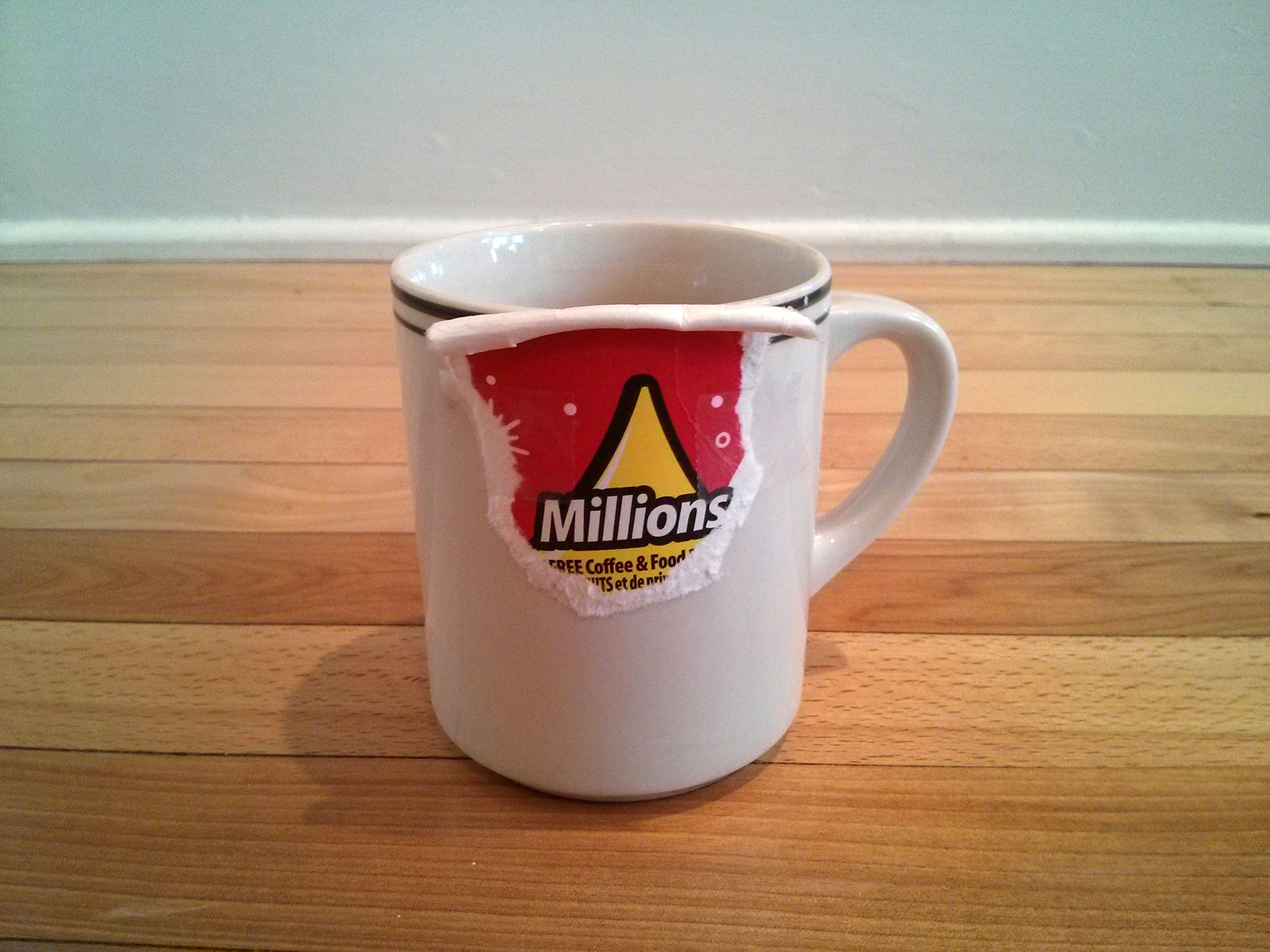
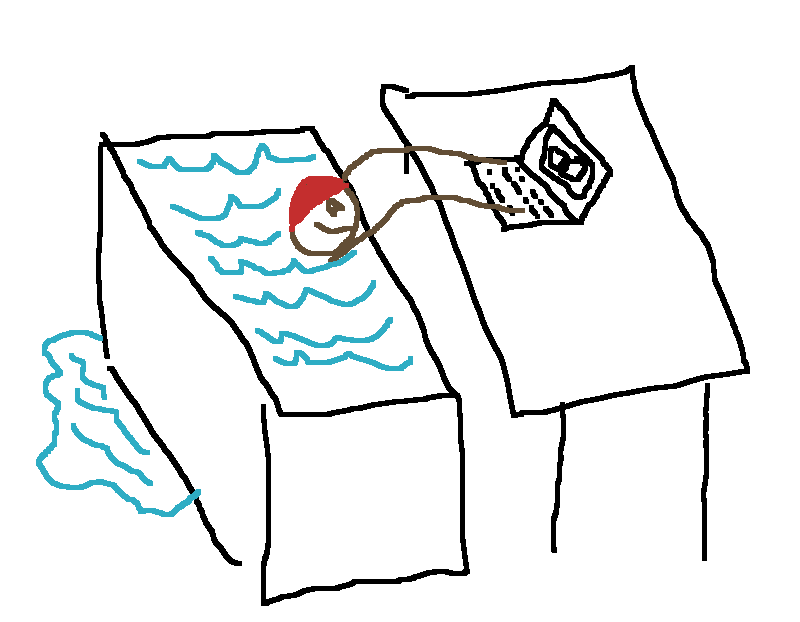
Swimming Desk
The standing desk craze has begun to spread through my workplace. There are even rumblings of treadmill desks (a step too far for me, thanks). This gave me an idea – I give you, the swimming desk:
From the creator of the GIF: “it’s pronounced JIF, not GIF.” Of course, I’ve known this all along. As with all debates, the important thing is that someone is wrong.
Local man previews Firefox OS
My friend and occasionally-quadrennial conference co-organizer, Peter Rukavia, is writing about his experience with a developer-preview Firefox OS phone.
His perspective is particularly interesting as it doesn’t come from inside the Firefox/Mozilla world. He’s just your average run-of-the-mill kind of alpha-geek that would pre-order a semi-functional developer preview device from Spain to try out an unproven operating system. Keep us posted, Peter.
If you’re wondering why Mozilla is working on building a mobile operating system, when the market is already maturing to two(ish) leaders, see former Mozillian, Asa Raskin’s article on why Mozilla is at its best when being a “fast second follower”.
Footsteps
How many footsteps does it take to get our lovely 4-year-old and 2-year-old into the car in the morning?

Stock Music Video
Great stock-footage inspired music video:
Beautiful Songs
A recent instance of the recurring Reddit thread, “What is the most beautiful song you’ve ever heard?” is full of so many beautiful songs, you could get lost in it for hours.
When you hear something special in a piece of music, you want to others to hear it and to know that you shared that experience (“Hey, you’re alive? Me too!”). I once heard Sarah McLachlan refer to this shared experience as ‘resonating souls’. It sounds cheesy, but it’s the best way I’ve heard it put into words.
Two songs that came to mind for me were:
-
“True Love Waits” by Radiohead – This live recording of the first live performance ever is particularly good. There are higher fidelity recordings, but this one is the most powerful I’ve found. Wait for the keyboard counter-melody to appear just after the 2-minute mark.
-
“Lament for the Death of his Second Wife” by Niel Gow – This is a terrible quality clip I recorded from Tim Chaisson’s performance at Zap Your Pram in 2008. There is no “original” recording of this piece, as Gow died decades before audio recording even existed, but YouTube is full of hundreds of renditions.
Warning to those who watched the show Six Feet Under: you may end up hearing that song from the finale and having flashbacks. I even heard echoes of it (or rather, what it echoes from) in Philip Glass’ metamorphosis 2.
This map of bomb drops on London during The Blitz in 1940/1941 is worth seeing. I’m still amazed that St. Paul’s Cathedral survived.

David Bazan on his music
David Bazan, (songwriter/musician of Pedro the Lion, Headphones, etc.) speaking on the podcast Conversations with Matt Dwyer:
“The vast majority of anybody who’s ever heard my music doesn’t want to hear it again.”
The entire interview is worth hearing. Come for the earnest discussion of music and spiritual crisis, stay for the humiliating pants-pooping-on-a-date story at the end.
Bazan’s band, Pedro the Lion, was featured in the inaugural episode of Acts of Volition Radio and again in Session 9 and Session 11.