I wrote a little over three years ago about some strange things afoot at the CBC. I was impressed at the time by their experiments in new media, and I remain so. In particular, I’ve been enjoying the many live concerts and studio sessions recorded for CBC Radio. Many of these sessions end up on the site JustConcerts.com.
The CBC has a well-deserved reputation for great audio production. As several of these sessions clearly illustrate (particularly the Sarah Harmer and Hawksley Workman sessions) the talent of the CBC recording engineers.
In hopes that you might enjoy some of the sessions that I have enjoyed, here are some of my favourites from the CBC’s JustConcerts.com:
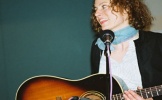 Sarah Harmer in session, January 29, 2004
- A great example of CBC Radio recording. You can hear here fingers on the guitar strings and if you close your eyes, you’d swear she’s sitting in the room. Sarah plays tracks from her new album. Track of note: “Almost”.
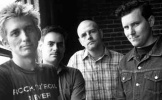 The Weakerthans at Lee’s Palace in Toronto, November 6, 2003
- The Weakerthans played three nights in a row at Lee’s Palace in Toronto. I saw the third show – this was the first. The site also has two other great sessions with the Weakerthans: John K. Samson (lead singer) in session in December of 2002 (this is one of the rest recordings on the site – amazing) and a great older show, The Weakerthans in session in May of 1999.
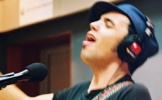 Hawksley Workman in session, October 15, 2003
- More great CBC Radio audio production. Performing tracks from the remarkable Lover/Fighter album. Look for Workman in future sessions of Acts of Volition Radio. Track of note: “Autumn’s Here”.
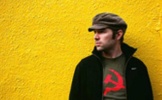 Buck 65 in session, March 11, 2002
- This guys is way more east coast than Jay-Z. Buck 65 is more of a story-teller than a rapper. I’ve yet to have the opportunity to see him live, but my friend Geoff always seems to always be hanging out with him
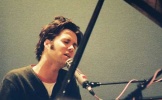 Rufus Wainwright in session, December 15, 2003
- Recorded in the CBC Studio 2 in Vancouver in front of a small studio audience.
A few other sessions and concerts that look promising, but I haven’t had a chance to listed to yet:
- Joel Plaskett in session in November, 2003
- The New Pornographers in session in November, 2000 (includes video)
- The New Pornographers at Richards On Richards in Vancouver in June, 2001
- Hayden in session in June, 1998
- Stephen Malkmus and the Jicks at Lee’s Palace in Toronto in May, 2003
- Frank Black and the Catholics at The State in Regina in April, 2003
- Gomez at The Commodore Ballroom in Vancouver in October, 2002
- The Breeders at Lee’s Palace in Toronto in July, 2002
- Andrew W. K. at Richard’s on Richards in Vancouver in June, 2002
- The White Stripes at The Commodore Ballroom in Vancouver in June, 2002
- Mogwai at Lee’s Palace in Toronto in May, 2002
- Cranes at Luv-A-Fair in Vancouver in May, 2002
- Billy Bragg at The Commodore Ballroom in Vancouver in April, 2002
- Mike O’Neill at The Horseshoe Tavern in Toronto in May, 2001
- Badly Drawn Boy at the Starfish Room in Toronto in November, 2000
 During a recent conversation about software upgrades (to which I am a